

Jump Rope Workouts: Benefits, Rope Types, and How to Get Started
Jump rope workouts elevate your heart rate quickly, helping improve cardiovascular endurance while burning calories efficiently. At the same time, the repetitive, rhythmic motion strengthens muscles throughout your entire body — especially the legs, core, shoulders, and arms.
Beyond physical benefits, jump rope also improves:
- Coordination and timing
- Balance and agility
- Mental focus and rhythm
Because it’s low-impact when done with proper form, jump rope can be gentler on joints than many high-impact workouts, making it suitable for beginners and experienced athletes alike.
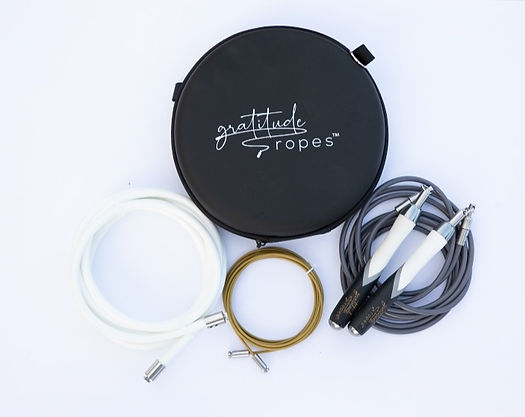
Types of Jump Ropes (And Which One Is Right for You)
Jump ropes come in several styles, each designed to support different fitness goals and experience levels.
Speed Jump Ropes
Speed ropes are lightweight — often made with thin wire cables — and designed for fast rotations and quick footwork. They’re best for advanced users focused on speed, double-unders, and high-intensity conditioning.
Best for:
- Advanced jumpers
- Speed and agility training
- Competitive workouts
Weighted Jump Ropes
Weighted jump ropes add resistance through heavier ropes or weighted handles. This extra feedback helps improve timing, coordination, and muscle engagement.
Best for:
- Beginners learning rhythm
- Strength and endurance
- Full-body conditioning
Beaded Jump Ropes
Beaded jump ropes are made with plastic beads over a nylon cord. They’re durable, tangle-resistant, and move at a slower pace, making them great for skill development.
Best for:
- Beginners
- Learning basic jump rope skills
- Freestyle and coordination drills
Basic Equipment Needed to Get Started
One of the best things about jump rope is how little equipment you need.
All you need is:
- A properly sized jump rope
- A flat, supportive surface
- Comfortable athletic shoes
That’s it. No machines, no gym membership, and no complicated setup.
Jump rope is a simple, affordable, and effective way to get moving — whether you’re just starting your fitness journey or looking to add something fresh to your routine.
Getting Started With a Proper Warm-Up
Before jumping into any jump rope workout, a proper warm-up is essential — especially for beginners. Jump rope involves repetitive movement and coordination, and warming up helps protect your joints while improving performance.
Start with 2–3 minutes of light cardio to get your blood flowing. This can include jogging in place, marching, or gentle jumping jacks.
Next, move into dynamic stretches to loosen muscles and increase mobility:
- Arm circles
- Leg swings
- Torso twists
- Ankle rolls
Finish with a few slow practice jumps to find your rhythm and prepare your body for movement. A good warm-up not only helps prevent injury — it makes jumping feel smoother and more enjoyable.
Proper Posture to Prevent Jump Rope Injuries
Good posture is the foundation of safe and effective jump rope technique.
Stand tall with:
- Feet about hip-width apart
- Shoulders relaxed and down
- Core gently engaged
- Head up, eyes forward
Avoid looking down at your feet, as this can strain your neck and throw off balance. Keep your elbows close to your sides and let your wrists, not your arms, turn the rope. Staying relaxed helps conserve energy and reduces the risk of overuse injuries.


About the Founder
Karly Kent, Founder of Gratitude Ropes, is a former competitive jump roper, certified fitness coach, and mom of two. She turned her childhood passion into a mission to help others move their bodies with purpose, gratitude, and consistency.
Through Gratitude Ropes, Karly teaches people how to jump rope, get fit, and appreciate the small wins that lead to big changes — both physically and mentally. Jump rope isn’t just her workout of choice — it’s her way of life.
 Ready to get started? A beginner-friendly, slightly weighted rope can make learning smoother and more enjoyable — especially when building rhythm and confidence.
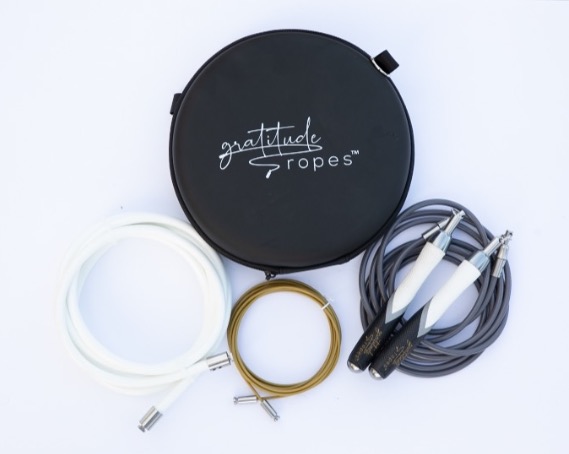
Check out my favorite 3-1 weighted jump rope set here! Use code: Gratitude25 for 25% off. Happy Jumping!